Meditation on Matthew 25:1–13
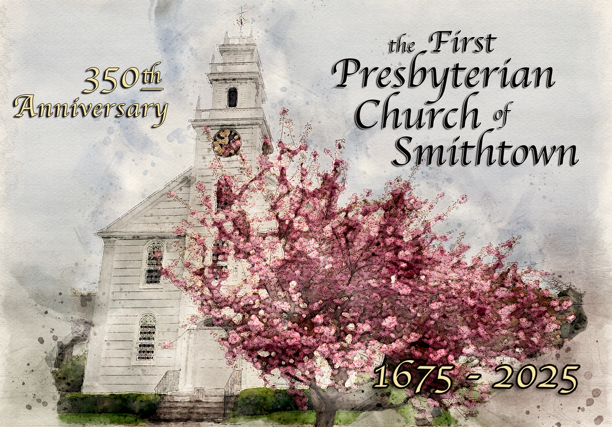
First Presbyterian Church of Smithtown
Pastor Karen Crawford
Nov. 12, 2023

Our Confirmation class went to worship for Shabbat at Temple Isaiah in Stony Brook on Friday night. Jim and I arrived early. We were met at the door by security guards who asked us why we had come. The guards were a reminder of the fear experienced by our Jewish neighbors, friends, and family, for some of us.
Rabbi Emeritus Stephen Karol—who had come with his wife, Donna, to visit our Confirmation class and share their faith in September—arrived soon after we did. He warmly welcomed us. He gave our group an orientation so that we would feel more comfortable.
He led us into a beautiful, modern sanctuary. Their congregation is young compared to ours, he laughed. The congregation in Stony Brook was organized in 1967. They were one of the lucky ones to receive a Torah scroll that survived the Holocaust. It is wrapped in colorful fabric, quilted with a bright sun in the sky, a flame next to the Tree of Life, firmly rooted in the earth. The Tree is untouched by the flame and is in the shape of a hand, reaching toward the sun. It’s a symbol of hope and life for the future, Rabbi Stephen said. The Temple’s three Torah scrolls are kept in an ark decorated with two brightly lit candles and the familiar blue and white prayer shawl, worn by rabbis and cantors.
Copies of the Torah, in Hebrew with English translation, are kept in pew racks alongside a prayer book called a Siddur. The Rabbi calls out the prayer book page numbers throughout the service. We turn pages right to left, beginning at what we might think is the back of the book. Prayers are sung with piano music. We were in awe of the singing of the new rabbi, Joshua Gray and his wife, who serves as cantor. The two met while working on Broadway.
Our host invited us to sit in the back row—not because we were strangers and Gentiles—but so that we could have a good view of everything that was happening during the service.
“No problem!” I said. “Presbyterians love to sit in the back row.”
He pointed out red lights next to plaques on the walls, highlighting the names of people whose anniversary of their passing is this month. Their names were read during the service, as were the names of people who need healing. He showed us the basket of percussion instruments at the entrance. Only children used to be invited to use the percussion instruments, but then adults wanted to play tambourines, maracas, and rhythm sticks, too. Now the percussion instruments are open to all. People clap their hands, play instruments, and move their bodies while they sing and pray. They bow at specific times.
Everyone we encountered greeted us, “Shabbat Shalom.” Shabbat is the Hebrew word for “rest” and has come to be the Jewish word for Sabbath. “Shabbat Shalom” means “peaceful rest” or “peaceful Sabbath.”
On Friday night—the day after we marked the anniversary of Kristallnacht with our service of remembrance, healing and prayer—Rabbi Stephen told us that we worship the same God. Christianity has its roots in Judaism. Our Bibles begin with the same five books of the Torah. We are all family, he said.
Rabbi Joshua’s message from Genesis followed the same theme as Rabbi Stephen’s welcome and orientation. Joshua told the story of Isaac and Ishmael’s peaceful reunion after years of separation, when their father dies. They come together to bury him in the cave of Machpelah.
Ishmael, whose mother was a slave named Hagar, had been cast out of the family when he was 13, not long after Isaac’s birth. Mother and son had been left to die in the desert. But an angel of the Lord heard their cries and rescued them. The Lord promised that Ishmael would raise up a great nation of his own. God keeps God’s promises. The outcast and the favorite, younger son, were enemies before Abraham dies. But at the loss of their father, their shared grief is a reminder to them that they have been family all along. They are enemies no more.
Just because Israel is at war, Rabbi Joshua said, there’s no reason for Jewish people, descendants of Isaac, to hate the descendants of Ishmael. They share a common ancestor—Abraham. They are the same family, he said. We look forward to the day that Isaiah foretold, when the nations “shall beat their swords into plowshares, and their spears into pruning-hooks; nation shall not lift up sword against nation, neither shall they learn war any more.”
The most moving aspect of the worship for me was during a Hebrew song called the “Lekha Dodi,” when everyone stands and turns to face the door and welcome Shabbat as if she is a beloved bride. “Come out my Beloved, the Bride to meet,” the song begins in English. “The inner light of Shabbat, let us greet.”
Joy filled the room. I was reminded, then, that the Sabbath is more than just a commandment, a day God set aside to refrain from all work when our Creator was finished creating. This is God’s gift of Sabbath rest and peace, foreshadowing the wedding banquet of the Messiah, when the Sabbath won’t just be one day a week; it will be ours to enjoy with God and one another for all eternity.
Our reading in Matthew 25, the parable of the wise and foolish bridesmaids or young women, moves us closer to the season of Advent—and connects with the message and prayers of the worship on Friday for Shabbat. The Spirit is speaking to all the people of God! It’s no coincidence that this parable would be the story that we share today, on the weekend that we welcomed, with Temple Isaiah and synagogues across the country, the Shabbat bride, a metaphor for the time of redemption. When the Messiah will come, and everyone will live in peace and rest forever.
This is what Jesus meant when he shared this parable. He was Jewish, after all, as was his first audience hearing his teaching. Everyone knew that he was talking about the day of redemption: who would be ready to meet the Messiah; who would not. Who would have oil to light their lanterns and join the Bridegroom in the eternal wedding banquet. And who would not.
Studying this passage this week, I felt a little sorry for the bridesmaids who didn’t have oil to keep their lamps burning. They plead with the ones who have oil in their flasks, “Give us some of your oil.” I wondered, “Why didn’t the wise bridesmaids share their oil with the foolish ones?”
A closer look reveals how the wise young women would need every drop of the oil they had for their own lamps. This is an oil that must be acquired from one Source, the Source of all life. It isn’t that those who lacked oil to keep their lamps burning didn’t care if the Bridegroom came or not. They all wanted to be with the Bridegroom and light his way to go to the heavenly wedding banquet. This wasn’t a case of not longing for his return. They had just grown weary of waiting. They fell asleep without checking their supply of oil, thinking they had more time. They had given up hope that he would come that night. Maybe they had begun to wonder if he would ever come to lead them to their heavenly banquet.
So now, you are wondering, “How do I know that I have enough oil for my lamp? When am I ready to meet the Lord?”
When we read this passage alongside the passage in Joshua, it becomes clear. The oil in the lamp, the being ready for the Bridegroom’s return, isn’t just one decision to serve the Lord. That’s only the beginning of the covenant between God and Israel. God would be their God, and they would be God’s people, turning away from the idols they formerly embraced. But it would be a daily inner battle that required a growing faith and time for spiritual maturity.
Some of us made the choice to follow the Lord years ago. That was the beginning. Now we know that we have to keep on making good choices, the right choices, every day so that we keep the promises we made with God. And bring life and healing to ourselves and help heal and make whole our broken and hurting world.
We know when we are in a good spiritual place. We know when we have peace with God and one another and experience a foretaste of Shabbat Shalom, a holy rest and feast at the heavenly wedding banquet.
The Sabbath is not just a commandment, dear friends; it’s a gift from your God of love. Someday, this will be ours to enjoy for all eternity!
May we remember that every human being is a child of God. Like Ishmael and Isaac, we share the same Father. We are all family to the Lord, called to love one another.
We know when we are struggling and need help from a faithful friend. Look around you! This room is full of your faithful friends—and there are others whom God has placed in your life for a reason. Don’t be afraid to ask for help!
We know when we are weary and discouraged, losing confidence along the journey, making choices that aren’t good for us or helpful for other people. We know when we are beginning to slip, lose ground, lose our way. When we begin to wonder, like the foolish bridesmaids, if the Bridegroom who has delayed so long in coming will ever come in our lifetime on earth.
And that’s when we need to keep awake and heed the advice of that wonderful African American spiritual, “Keep Your Lamps Trimmed and Burning”:
Keep your lamps trimmed and burning,
keep your lamps trimmed and burning,
keep your lamps trimmed and burning, for the time is drawing nigh.
Sisters, don’t grow weary;
brothers, don’t grow weary,
children, don’t grow weary, for the time is drawing nigh.
Holy One, thank you for giving us your Word, so that we may be inspired to make the promise with you that Joshua made long ago: “As for me and my household, we will serve the Lord.” Thank you for the opportunity to worship with our Jewish friends and neighbors at Temple Isaiah. Please, dear Lord, watch over them and keep them safe. Guide us in all the choices we make. Give us wisdom and strength to serve you every day. Keep us awake and alert to the signs of your presence in the world and your Son’s Second Coming. Help us to keep the Sabbath, your loving gift to us. Stir us to keep on praying with hope for the day of redemption and the end to all wars. May we never grow weary. For the time is drawing nigh. Amen.
 Sharing God's Love and Grace