
Meditation on Psalm 139
In Memory of Ethel Kraft
December 11, 1931 – October 16, 2024
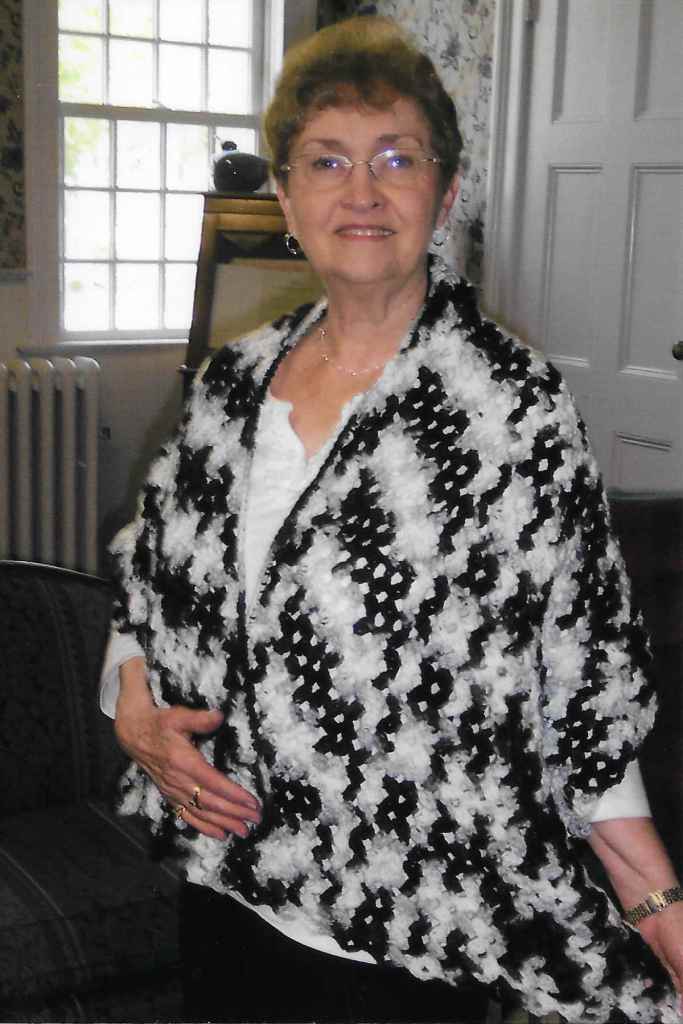
Ethelmay Swindlehurst Kraft grew up in Jermyn, PA. The former coal mining town of a few thousand people is located on the Lackawanna River, 12 miles northeast of Scranton.
She was the only child of Ken, a coal miner, and Alice, a gifted seamstress, who worked at a factory. Alice wanted more children, but her health prevented it. Ethelmay was close to her mom and helped care for her as she recovered from her many surgeries and times of illness. This may have stirred Ethel’s unfulfilled desire to be a nurse. Her hardworking parents couldn’t afford a home of their own when they were first married, so they lived with Alice’s parents. Eventually, they were able to move into a rented home.
Ethelmay despised her name and shortened it to just plain “Ethel” for people outside her immediate family. She tried to leave it behind her, with the small town she left as a young woman. I never knew that was her real first name—Ethelmay, all one word—until this week when I saw her engagement announcement from the Scranton Tribune from November 1952. But just plain “Ethel” had nothing plain about her, despite her humble beginnings. She wore red lipstick, and looked great in it, and always felt better when she was wearing it. Her hair was curled and perfectly styled. She chose her clothing with care. Her outfits always matched, including the jewelry, and her shoes coordinated with her pocketbooks. She was model thin as a young bride, just a wisp of a thing, a tiny waist for her wedding dress, with a waterfall skirt. It was handmade by her mother, along with all the other bridal attendant’s dresses described in detail in the newspaper story. Her favorite colors were pink and purple. She loved flowers.
Ethel Swindlehurst married Karl Kraft at her church, First Methodist of Jermyn, on June 20, 1953. She was 21, and he was 23 but looked much younger.
Her eyes twinkled when she told me how she met Karl. Her girlfriend, Betty Taylor, attended a Lutheran church in neighboring Archbald, PA, and sang in the choir there with Karl. One day, she showed him a picture of Ethel. He wanted to meet her. She was 16. He was 18.
They went on a double date with Betty and her beau, meeting at Jimmy Mullaly’s ice cream shop for sundaes—chocolate ice cream with hot fudge sauce.
Ethel’s mother had a long talk with her daughter after the double date, warning her against dating older men. “Ethelmay,” her mother said, “you are only in high school. You should go out with other young men. You should go to your dances.”
To make matters more complicated, when Ethel and Karl met, he was preparing to leave town to serve in the U.S. Air Force. “I just met him,” Ethel said, “and now he was going.”
She followed her mother’s advice. She went to all her dances, enjoyed dressing up and spending time with her friends. But Karl wrote Ethel letters, and she wrote back. He visited her twice a year, when he was home on furlough.
When she graduated from high school, she found a job working as a buyer for children’s wear at Mr. Edelstein’s Globe Fashion Shop in Carbondale. And she waited for Karl. He served his country for four years, learning then teaching radar, and rising to the rank of Technical Sergeant. On his way home after being discharged from the Air Force, he interviewed with GE and IBM and bought Ethel a diamond ring.
They honeymooned in Atlantic City and moved to Rochester, New York. The next 6 years, the small-town girl and guy would have to pick up and move 7 times as Karl’s career took off with IBM.
Ethel fell comfortably into her role as housewife and mother, having two children—Kenny and Debbie—when they were living in Pennsylvania. She made friends with the women who stayed home during the day with their children. She made sure dinner was on the table every night at 6:30. When they moved to Commack, they quickly made friends with their neighbors and enjoyed getting together with other couples in each other’s homes.
When I asked Debbie if she ever played Bridge, like so many women of her generation, Debbie said no. She never played cards or Bingo, perhaps a holdover from her childhood upbringing in a Methodist family. But Karl and Ethel did dance at weddings and then on cruises in their later years.
The young couple joined the First Presbyterian Church in Smithtown not long after they moved here, on June 4, 1959. Their faith and church family would forever be important in their lives. Karl served on the building committee for the new Christian Education wing, dedicated in 1963, and would become a Trustee. Ethel joined a Women’s Association group and would later host a circle in her home. She crocheted with friends and for our prayer shawl ministry. Ethel and Karl’s children would be raised in Sunday School and church, just as they were active in church as children and youth.
Ethel never gave up her longing to be a nurse, but then found fulfillment in volunteering at what is now St. Catherine of Sienna Hospital. She became the Director of the Candy Stripers. She was requested to serve in the Emergency Room because she was “so calm.” She was shocked when they wanted her there, knowing that she wasn’t naturally a calm person, but her special gifts for compassionate ministry strengthened her to be the peaceful presence of Christ in times of crises, when others were in need. She had the gift of encouragement, enjoyed talking with people, in person and on the phone. She often sent thinking of you, get well, and sympathy cards.
I treasured my visits with Ethel and Karl, celebrating Communion and sharing stories. I brought news from the church, as she was hungry to hear what was happening. She told me about the small town in Pennsylvania where she was from and about meeting and marrying Karl and his passion for gardening, before his health declined. She was lonely, she said, especially during the height of the pandemic, when they seldom left their home, and no one came to visit. She always had a box of chocolates ready to share with guests. She talked with me about her concerns for her grown children—that never ends, no matter how old our children become. I told her that I worried about my children, as well. It bothered her that she was growing increasingly unsteady, even with a walker. She was grateful for the wonderful aides who were like family and were there every day to care for them, so Karl and Ethel could stay together in their own home for as long as possible.
I always asked if I could pray for her near the end of my visit or call. She always said yes. Those were intimate moments, sharing with the Lord what she had shared with me and asking for God’s help, comfort, healing, guidance, and rest—and that Ethel would feel the Lord’s loving arms around her and not feel lonely or afraid anymore. We experienced peace in those moments, a peace that goes beyond understanding. I assured her of the God who knows her completely, as we read about in Psalm 139—a God who, “formed my inward parts; knit me together in my mother’s womb.” This is a God who knows everywhere we are ever going to be, and will be present with us, wherever we might go. This is a God who knows when we are sitting or lying down or rising up; a God who discerns our thoughts, before they become prayers; and knows what we will say before the words are on our tongues.
As the months passed, Ethel began to show more signs of confusion and unsteadiness. She often had bad dreams that she thought were real. I visited her several times in a memory care setting in Lake Grove. She recognized me, though her vision was going; she greeted me with a smile and was anxious for a prayer and our usual chitchat, though she was miserable with the living situation at the time. She asked me what was going on with me, and I don’t know why I chose to share this bit of news, but I told her that I was back in school working on my doctorate. And the woman who didn’t always know where she was or recognize her family, encouraged me that this was the right thing to do for my career. “A doctorate!” she exclaimed. “That’s job security for you.”
And there were other moments, Holy Spirit moments, when unusual clarity, peace, and restored vision would come over her—such as the time when Jason Kraft came to visit with his children. She recognized them and had a conversation with them, looking directly into their faces, commenting on how much they had grown. Watching this miracle unfold, Debbie was overwhelmed by emotion.
The God who knows us, a God from whom we cannot keep secrets, has a good plan for our lives. The Lord may seem far away, at times, and slow to respond to our prayers and desires. But then, we see these glimpses of the world to come, small miracles that are true miracles, nonetheless, signs of God’s grace and power, right here with us. Brothers and sisters, what we see in this world is not all there is!
Psalm 139 particularly speaks to me as I consider my friend Ethel and her struggles. No, the Lord didn’t take them all away. But her family and her kind aides served her lovingly and patiently; they did so much to try to help her in her times of weakness, pain, confusion, fear, and anxiety. Debbie lost sleep worrying about her mom and agonized over weighty decisions that had to be made about her living situations and healthcare. I believe the Holy Spirit was working through these helping hands and caring hearts and minds here in this world, as Ethel grew closer to passing into the loving embrace of her Savior.
The day Ethel went home to be with the Lord, I was preparing to visit her and bring flowers from the church. I was getting my pastoral care bag ready so that I could anoint her with oil and say a prayer for healing and wholeness. Then Debbie texted me. Her mother had passed. Her passing was peaceful, she would tell me later. Debbie was holding her mother’s hand.
Dear friends, God’s Word assures us that we can share all the dark feelings and thoughts with our loving Lord—our sadness, grief, greatest disappointments and dashed hopes. Our God of mercy never runs out of mercy and never grows weary of forgiving and comforting us in our distress. Our God can turn our darkness, the darkness we all feel at times, into light, our restlessness to shalom, our mourning to joy. The psalmist says: “If I say, ‘Surely the darkness shall cover me, and night wraps itself around me,’ even the darkness is not dark to you; the night is as bright as the day, for darkness is as light to you.”
He ends the psalm with these words of vulnerability and trust, words that I hope you will feel confident in praying, “Search me, O God, and know my heart; test me and know my thoughts. See if there is any wicked way in me and lead me in the way everlasting.”
Our God who is present with us, who has searched us and knows us, will lead us to our forever home.
Amen.
 Sharing God's Love and Grace