Meditation on 1 Kings 3:1-15
Reverend Dr. Karen Crawford
First Presbyterian Church of Smithtown
Aug. 16, 2026
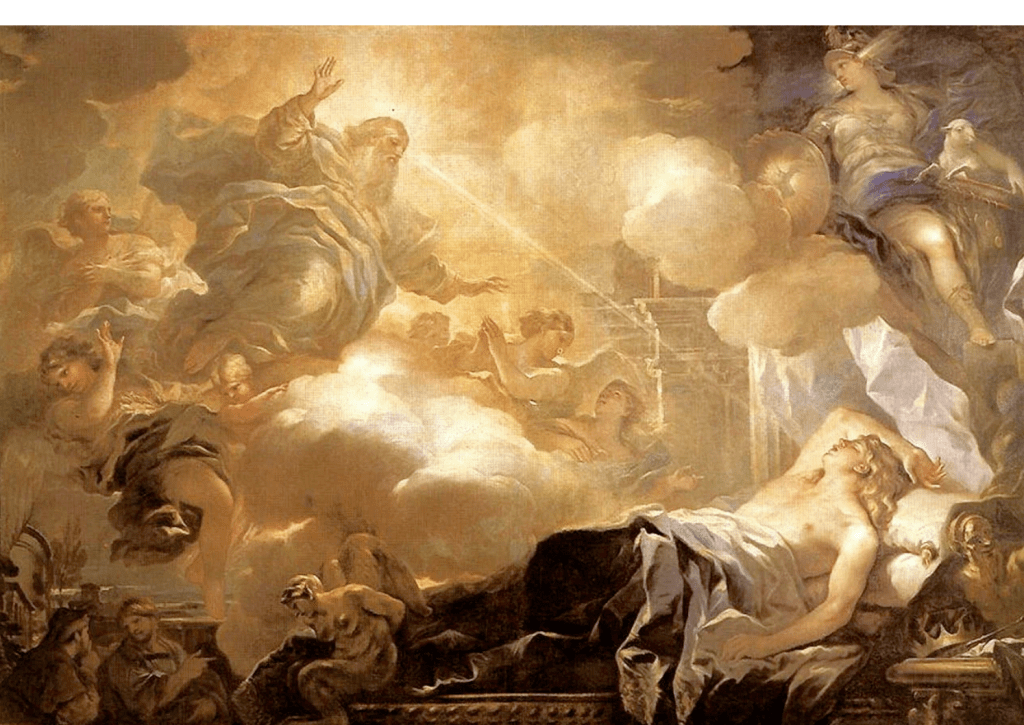
Late 17th-century Baroque oil painting by Italian master Luca Giordano, housed in the Museo del Prado in Madrid.
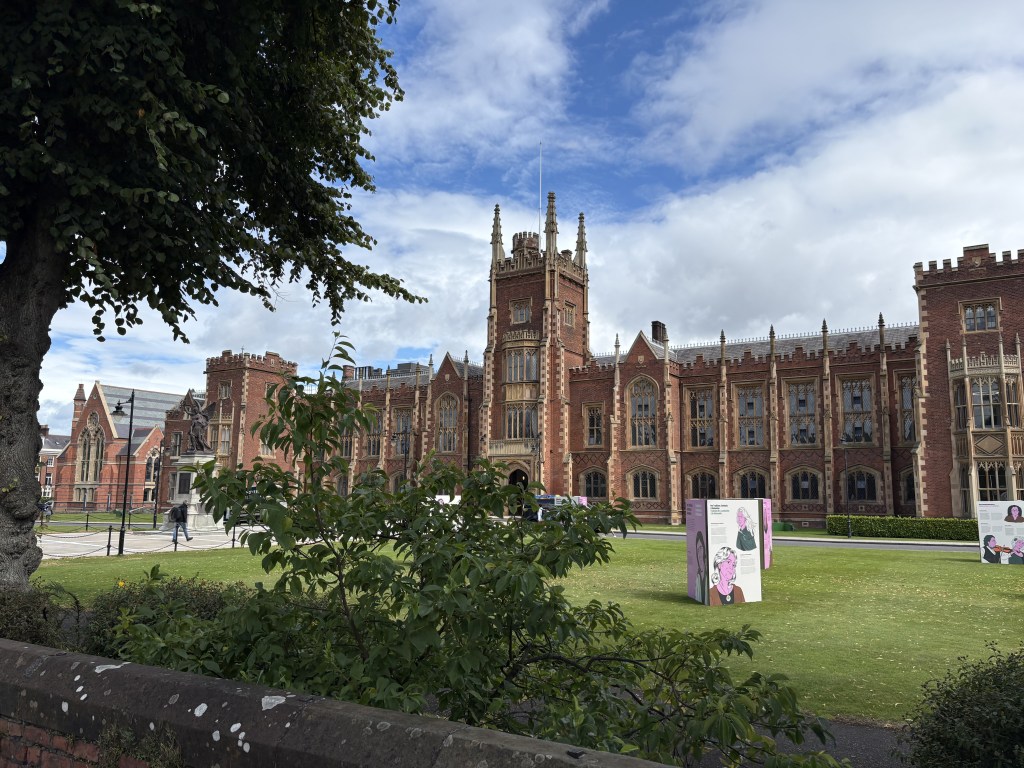
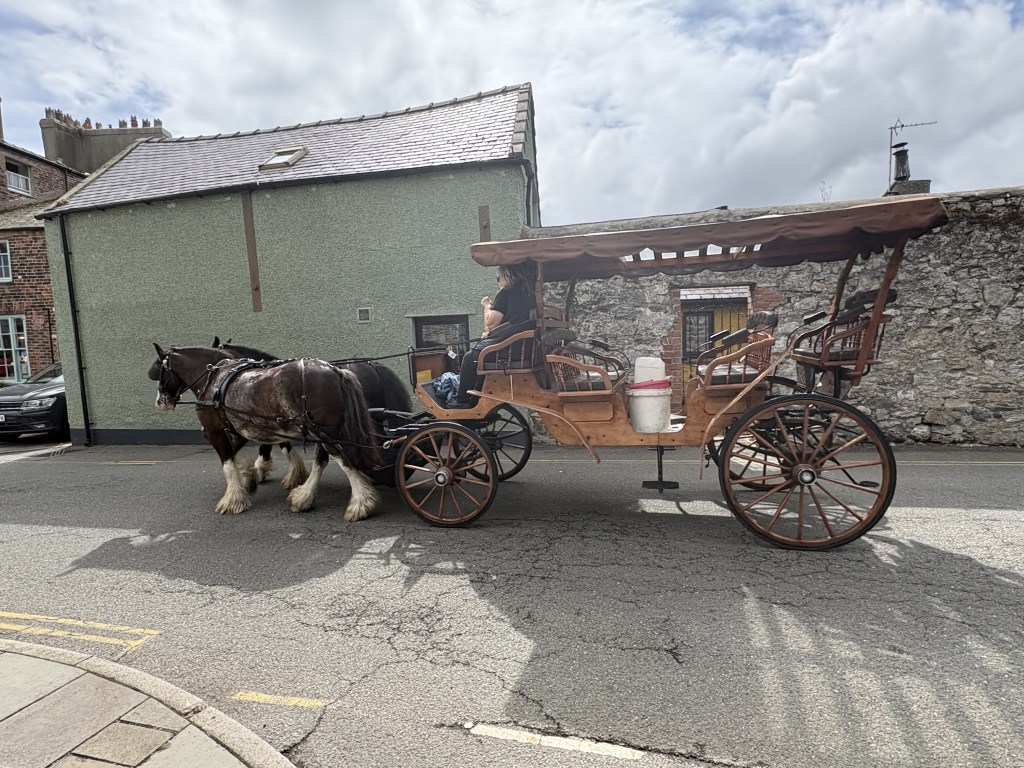
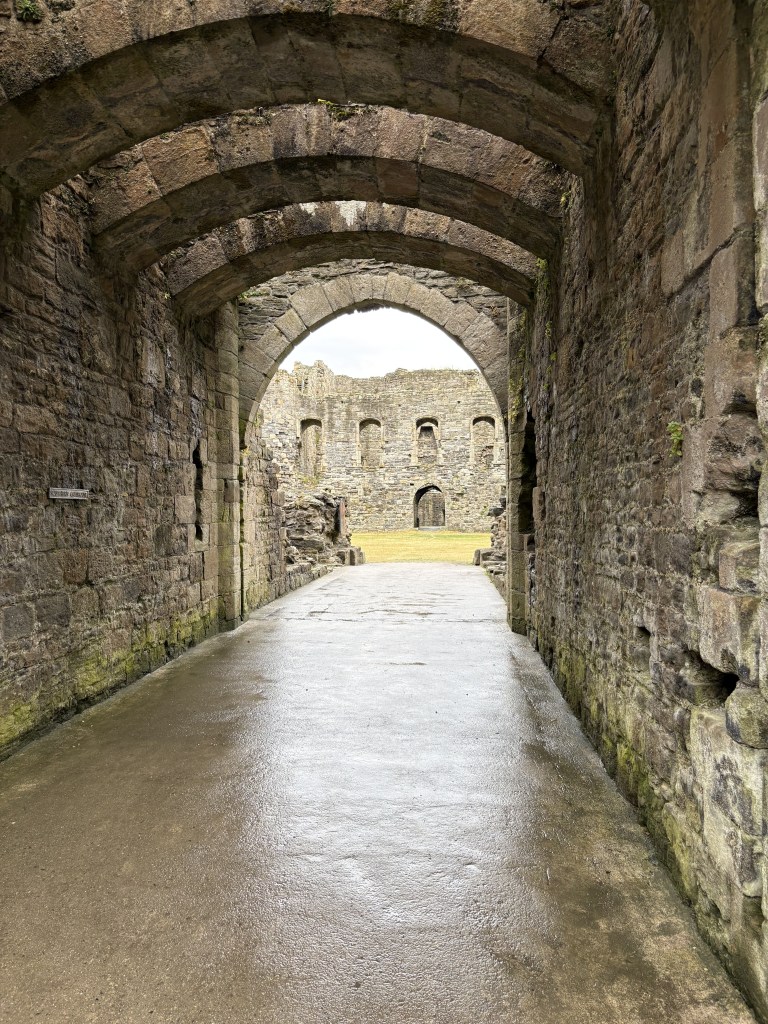
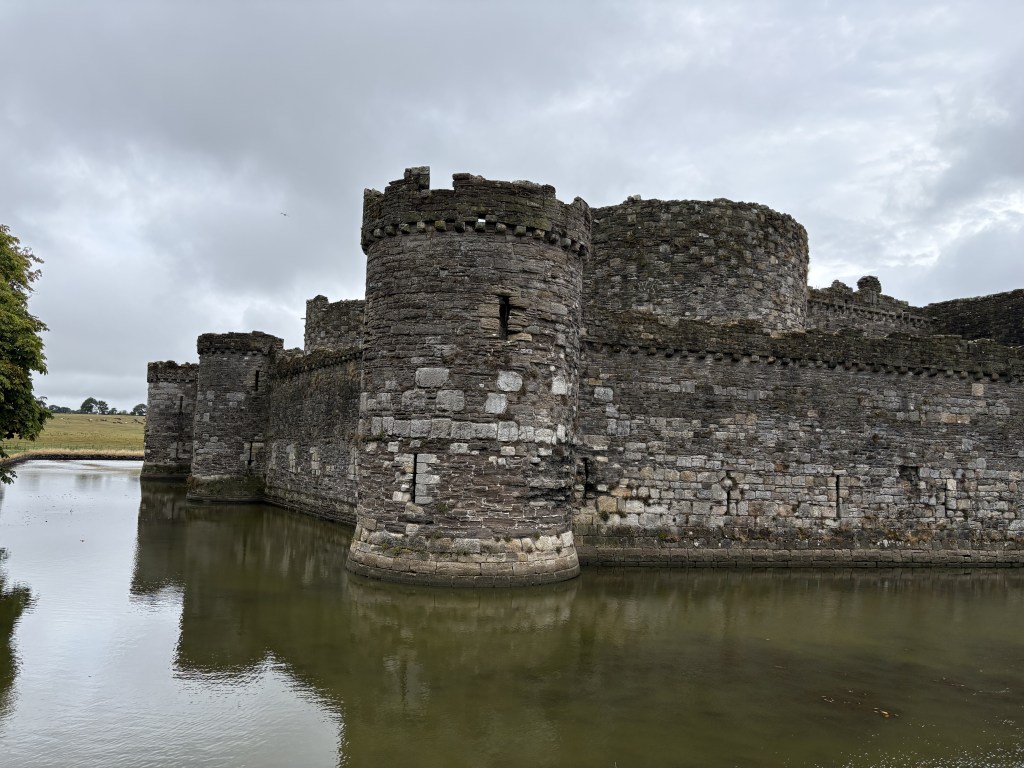
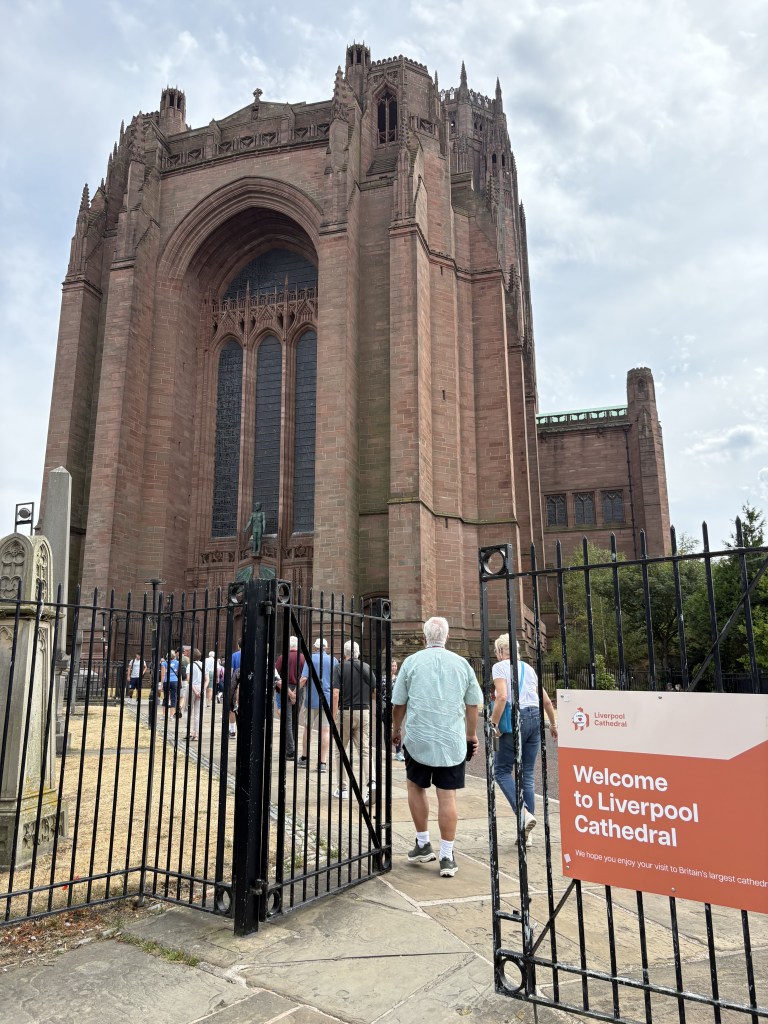
I have been away for two weeks on a cruise in the British Isles, ending our journey in Bergen, Norway. The tour took my mom and me to some places that I had visited briefly before—Dublin, Belfast, and Bergen, and to some new places—London, Liverpool, Beaumaris (in Wales), Edinburgh, Aberdeen, and the Orkney and Shetland Islands.

In addition to the castle, cathedral, city, and countryside tours, trips to Neolithic monuments, a puffin safari and Shetland pony experience, we listened to speakers on history and culture, talks on crowns and coronations, the Beatles, the Vikings, and the Loch Ness Monster. We enjoyed evening concerts, with songs from the symphony and the cinema, Broadway shows, and the music of the Beatles, Eric Clapton, ABBA, and more.
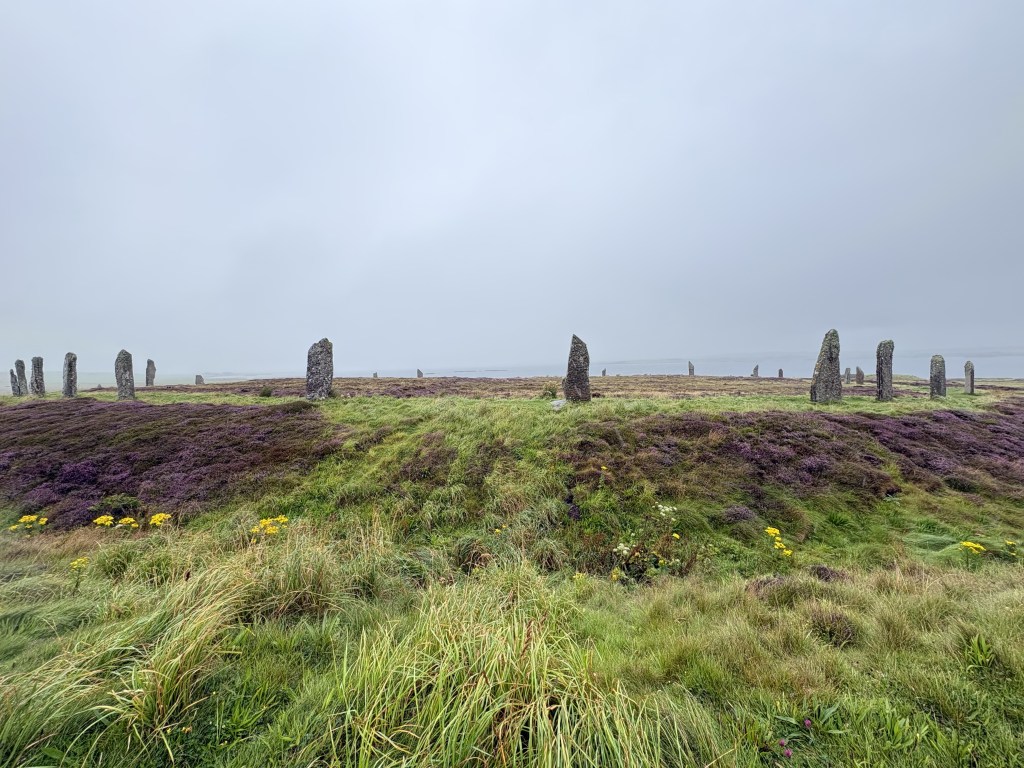
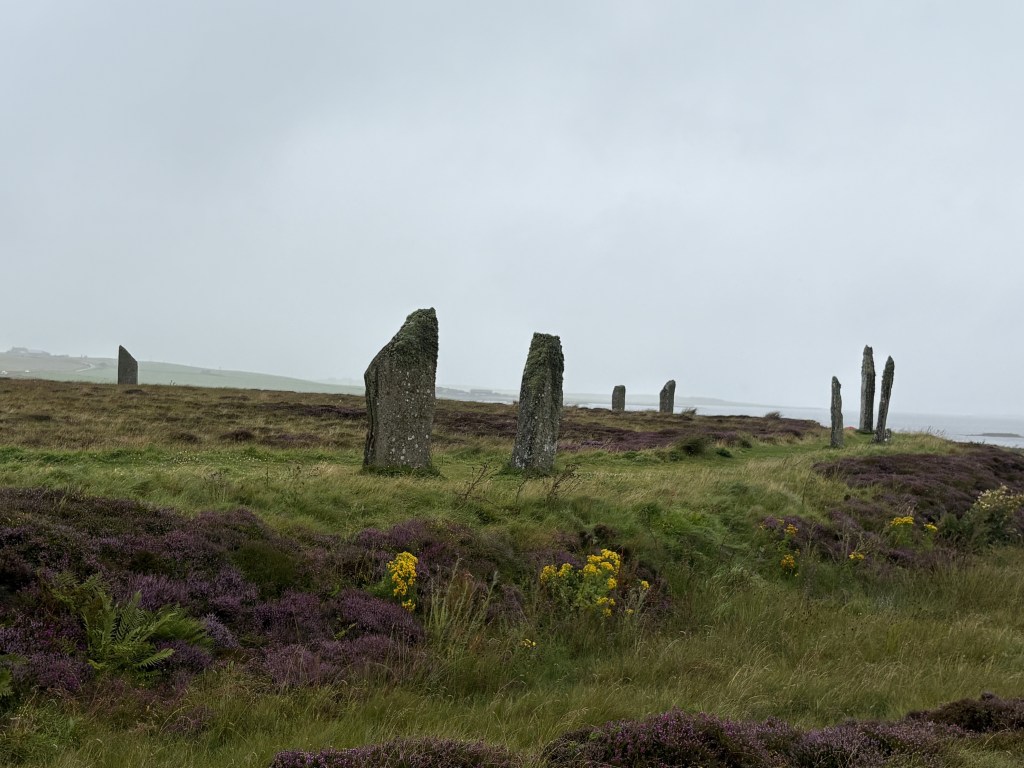
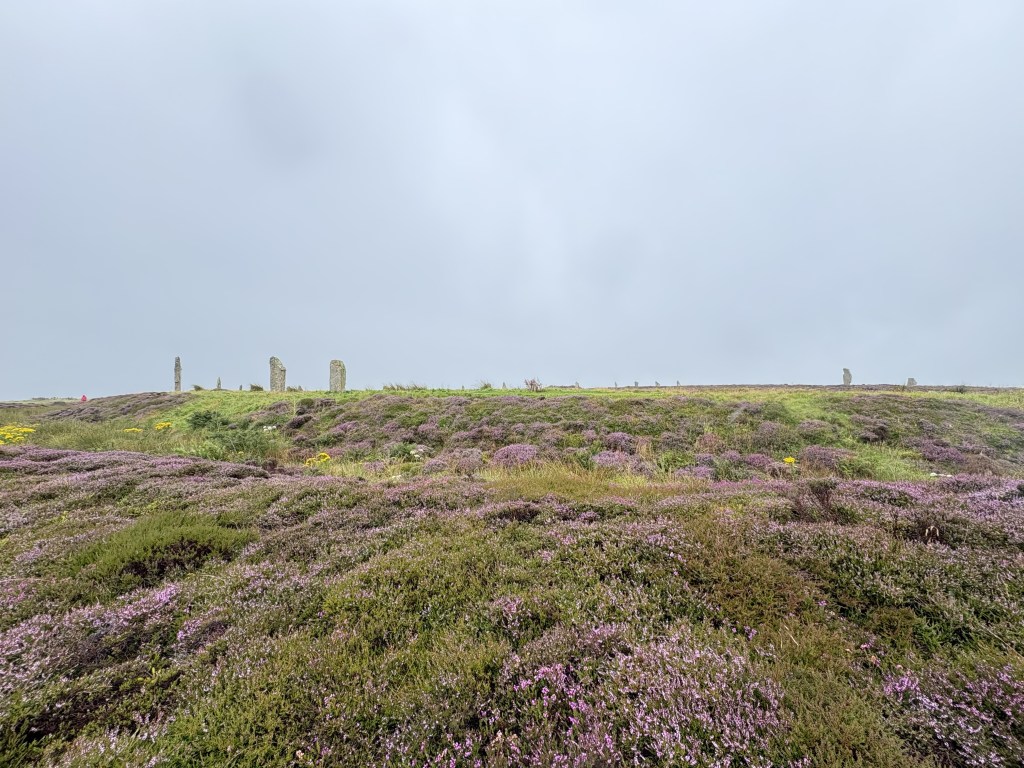
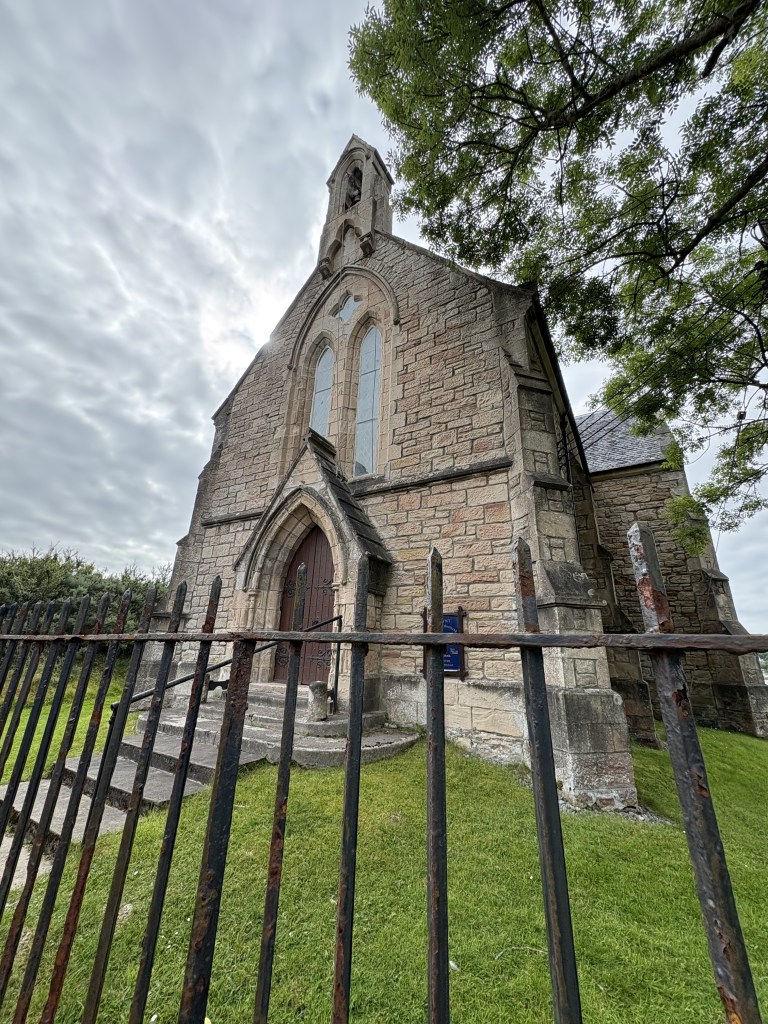
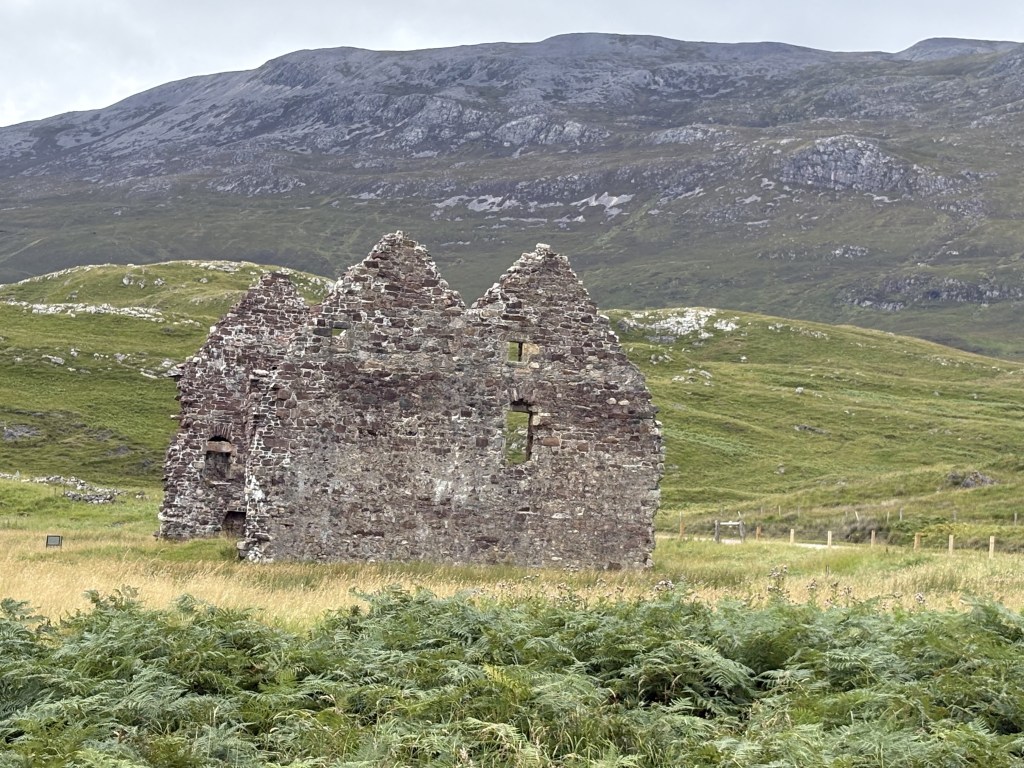
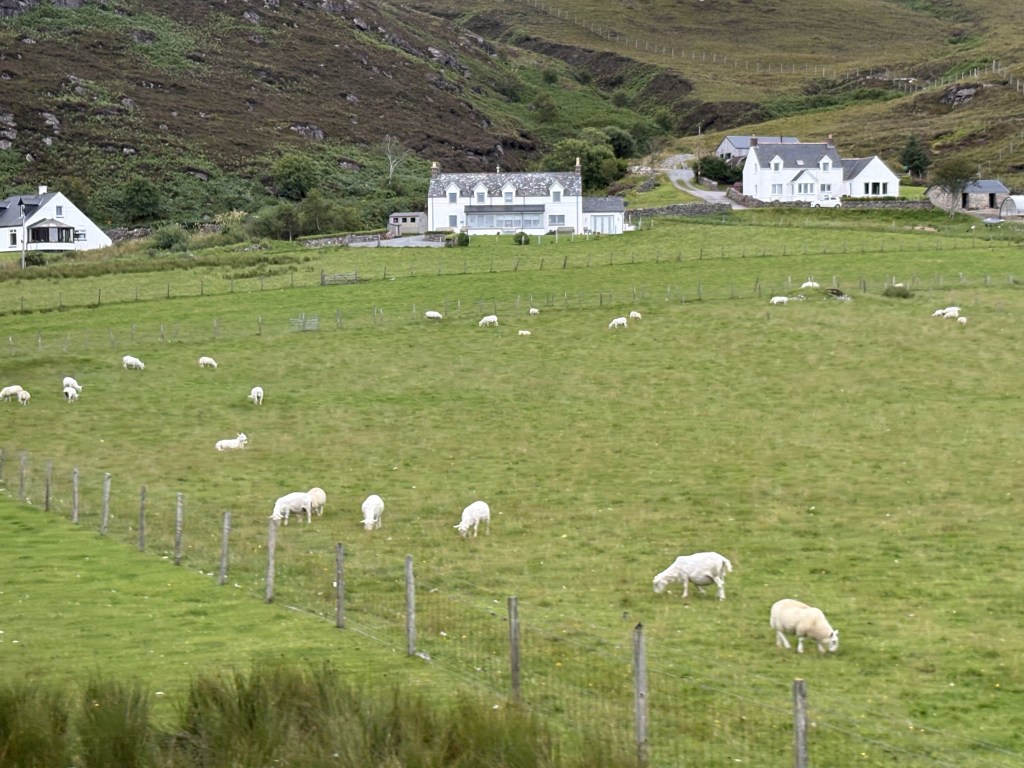
What I enjoyed most was the beauty of the sea and sky and the wildlife and landscapes so different from my home. I enjoyed the people that we met on shore and on board and the stories that were shared. I have the feeling that my world has grown a little larger—and that there’s so much more to see and know than I could ever see and know in my lifetime.






Today, we continue our Amazing Children of the Bible Series with Solomon. And like my trip overseas, the more I find out about Solomon, the more I realize how little I actually know of the man who is revered in Judaism, Christianity, and Islam. Solomon was either the tenth or the 17th child born to King David, depending on which biblical account you read. He was the second son of Bathsheba, daughter of Eliam as 2 Samuel 11:3 tells us or the fourth son of Bathshua, daughter of Ammiel as 1 Chronicles 3:5 tells us. And Solomon wasn’t his only name. David named him Solomon in 2 Samuel 2:24, but Yahweh’s revelation through Nathan the prophet was that he would be called Jedidiah or “Beloved One of Yahweh.” Solomon is from the Hebrew root, salom or shalom. The promise in 1 Chronicles 22:9 is that “God will give shalom (peace) and quiet to Israel in his days.”[1]
His reign as king over Israel and Judah was about 40 years or the length of a generation (1 Kings 11:42). His reign began around 970 to 960 BC and ended around 930 to 920 BC, when he died and his son, Rehoboam, ascended to the throne at the age of 41. While we don’t know for sure, scholars estimate that Solomon was 15 when he became king (1 Kings 3:7).
How is Solomon remembered? Most of all, for his wisdom. Young Solomon asks God in a dream for wisdom or an “understanding mind” when he ascends to the throne., “And now, O Lord my God,” he says in 1 Kings 3, beginning at verse 7, “you have made your servant king in place of my father David, although I am only a little child; I do not know how to go out or come in. And your servant is in the midst of the people whom you have chosen, a great people so numerous they cannot be numbered or counted.Give your servant, therefore, an understanding mind to govern your people, able to discern between good and evil, for who can govern this great people of yours?”
Solomon’s wise reputation has led to his being credited with some of the wisdom literature in the Bible—Proverbs, Ecclesiastes, and Song of Songs, although he did not write them in the traditional sense. Other writings linked to him include 18 Psalms from the First Century BC that are not included in our Bibles,[2] “The Wisdom of Solomon,” written in Greek by a Hellenized Jew of Alexandria “after that city’s conquest by Rome in 30 BCE,”[3] and “Testament of Solomon,” which is a folktale written somewhere between the First and Sixth Century CE.
Perhaps the most well-known example of his wisdom is from 1 Kings 3:16-28, when two women come to Solomon to settle a dispute over a newborn child. Each claim that the living baby belongs to them and the one who died belongs to the other. The king says, “Bring me a sword…and divide the living boy in two; then give half to the one and half to the other.” The woman whose son is alive is moved by love and compassion for her child. She says, “Please, my lord, give her the living boy; certainly, do not kill him!” The king determines that the one who was prepared to give her son to another, rather than see him killed, is the boy’s true mother. “All Israel heard of the judgment that the king had rendered,” says 1 Kings 3:28, “and they stood in awe of the king because they perceived that the wisdom of God was in him to execute justice.”
On another occasion, the Queen of Sheba visits Solomon hearing of his fame and brilliance and wanting to test him with riddles. When she arrives, “she discussed with him all that was on her mind” and was satisfied with his answers. (2 Chronicles 9:1) She gave him 120 talents of gold, and “a very great quantity of spices and precious stones; there were no spices such as those that the queen of Sheba gave to King Solomon.” (2 Chronicles 9:9)
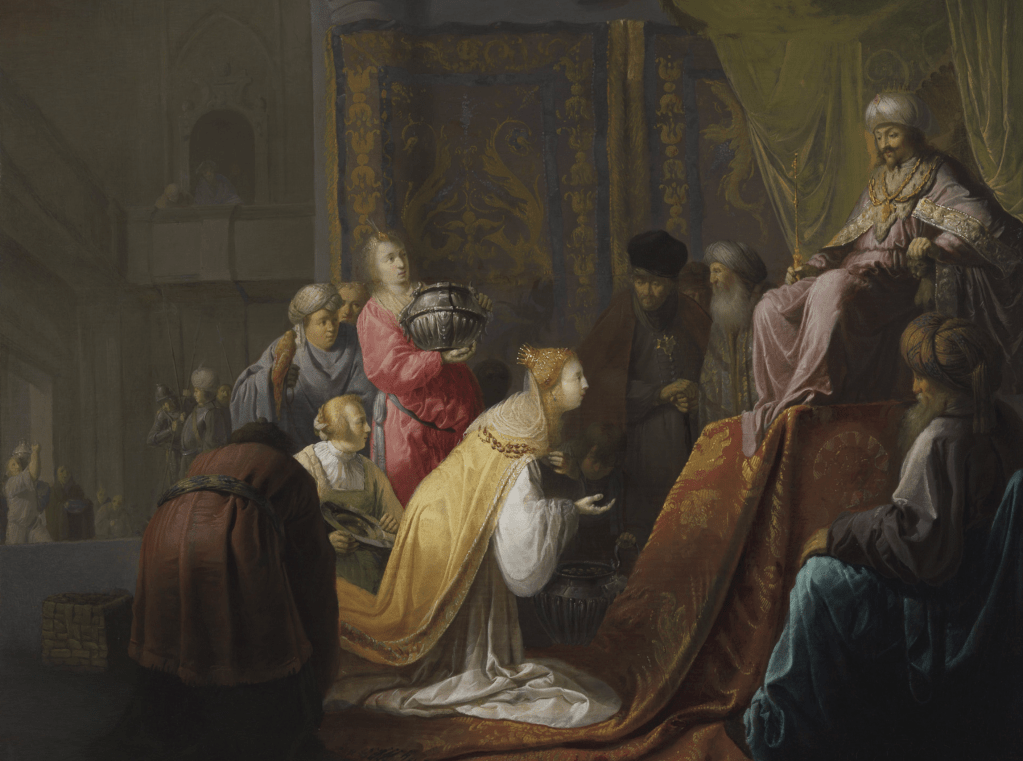
Which brings us to something else that Solomon is remembered for: his wealth and the wealth of his United Kingdom, which experienced a kind of Golden Age under his leadership. In 1 Kings 10:14, we read how he collected in tribute in a single year 666 talents or 18,125 kilograms of gold. “He surrounded himself with all the luxuries and grandeur of an Eastern monarch, and his government prospered.”[4] Jesus and his audience were well acquainted with stories of his wealth and abundance of possessions, including fine clothing, as he asks them in Matthew 6:28-29, “And why do you worry about clothing? Consider the lilies of the field, how they grow; they neither toil nor spin,yet I tell you, even Solomon in all his glory was not clothed like one of these.”
Along with his wealth, Solomon is remembered for building the First Temple, although the exact location is unknown. The place of worship, sacrifice, and learning stood until 586 BC, when it was destroyed by Nebuchadnezzar II and the Ne0-Babylonian Empire in the siege of Jerusalem. God’s people were taken into captivity and exiled. The Second Temple would be built around 516 BC after the Persian conquest of Babylon and King Cyrus the Great’s authorization and encouragement of the displaced populations in the region to return to their homelands. The Temple would undergo renovations and expansion under King Herod in 18-20 BCE. One of the enhancements was the building of a colonnade called “Solomon’s Portico,” or “Solomon’s Porch.” The meeting place on the east side of the temple’s outer court was a favorite of Jesus and his disciples, and the early Jerusalem church also met there.
Finally, Solomon was a lover of women and is remembered for his many wives and concubines. Does anyone want to venture a guess at how many? “Among his wives were seven hundred princesses and three hundred concubines,” says 1 Kings 11:3. Unfortunately, the women whom Solomon loved, many of whom were from foreign lands, would be his eventual downfall. They are blamed for turning Solomon’s heart in his old age to the worship of idols. Solomon did not love the Lord completely, as his father David had done. God became angry with Solomon, leading to the prophecy that his unified kingdom would be torn apart during the reign of his son.
If you asked me what I learned from Solomon’s story was that even when you have everything or think you do—wealth, wisdom, power, and the adoration and admiration of many people—if you don’t love the Lord completely, you really don’t have anything. And you cannot be pleasing to God.
I am glad to be back from my trip across the Atlantic. There’s no place like home! I will have memories to cherish for years to come, but also the realization that the more I come to know in this world, the more I realize how little I really know at all. But all the experiences that we have and knowledge that we acquire in this world are not what matters for our lives of faith. What matters, dear friends, is not what’s in our minds, but what’s in our hearts—the love of God and neighbor, with God first and foremost.
As the Beatles used to sing, “Love is all you need.”
Let us pray.
God of Wisdom and Mercy, thank you for your steadfast love for your people, even when we fall into bad habits, desiring the things of this world too much, forgetting what’s important as a follower of your Son. Thank you for your many gifts and blessings to us, including the blessing of wisdom and knowing your will for our lives when we reach out to you in prayer and listen for your voice. Forgive us for failing to love you completely and being tempted by the idols of this world. Strengthen us to be faithful to you and Your people all the days of our life and seek to be pleasing to You. Amen.
[1] Tomoo Ishida, “Solomon” in The Anchor Bible Dictionary (Si-Z) (NY: Doubleday, 1992), 105-113.
[2] Joseph Trafton, “Psalms of Solomon” in the Anchor Bible Dictionary, 115-117.
[3] David Winston, “Wisdom of Solomon” in The Anchor Bible Dictionary, 120-127.
[4] “Solomon” in Wikipedia, accessed Aug. 15, 2026 at https://en.wikipedia.org/wiki/Solomon.

